
24/7 Emergency Line Open
Home › Services › Leak Detection & Repair
Emergency Leak Detection and Repair | Hidden Water in Levittown, PA
A wet ceiling, a stained wall or a water bill that doubled is rarely a mystery pipe somewhere out in the yard. The leak is usually close, and it is usually hiding. Plumbers dispatched through this line locate it first, then repair it, so you are not paying to open walls on a guess.
Call (833) 840-2034- Licensed and insured plumbers
- Same-day service when available
- 24/7 emergency dispatch
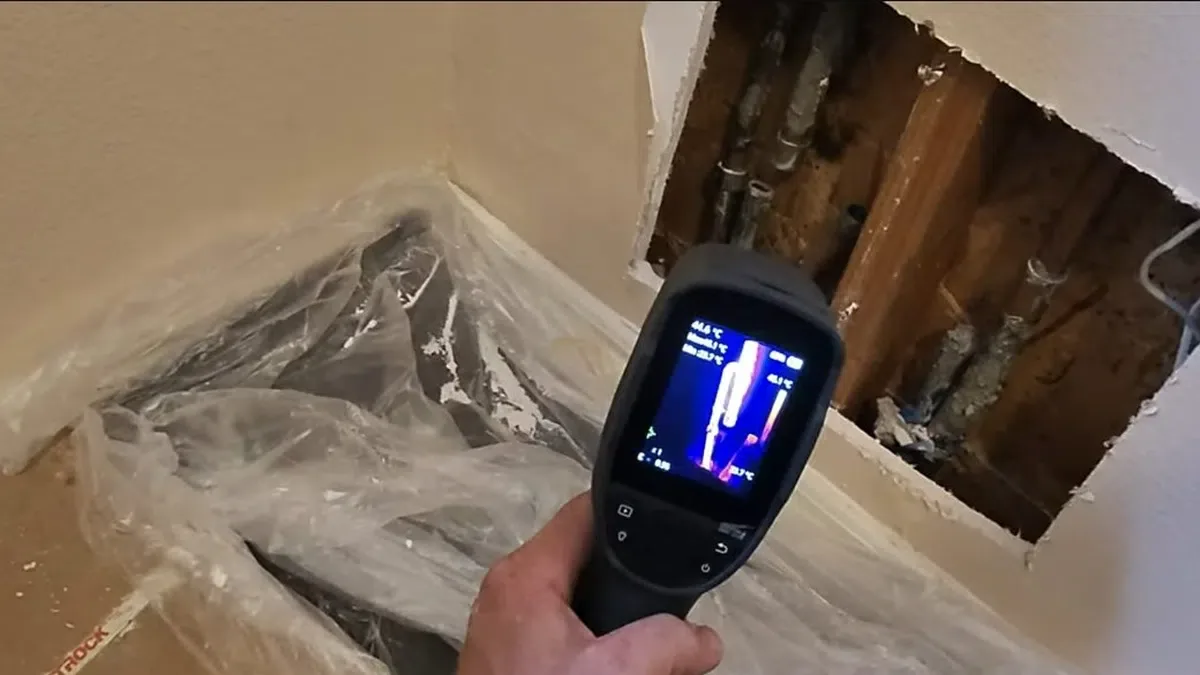
How a plumber finds a leak you cannot see
Finding the leak is the hard part, and it is where most of the time goes. The plumber starts by confirming that water is really being lost, using your meter and a shutoff test, because a running toilet and a pipe leak look alike on a bill. Then the search narrows from the whole house to one wall, one floor or one line.
Detection uses tools that read what the eye cannot. Acoustic equipment listens for the hiss of pressurized water in a pipe. Thermal cameras show a cold or warm path through a wall when a hot or cold line is leaking. Infrared imaging reads the same temperature differences across a larger area. Tracer gas, including helium mixes, and sonar can trace plastic or buried lines when listening alone is not enough. Electronic probes and moisture meters confirm what the other tools suggest. A plumber who marks the spot before cutting a hole saves the patch repair and the paint that follow.
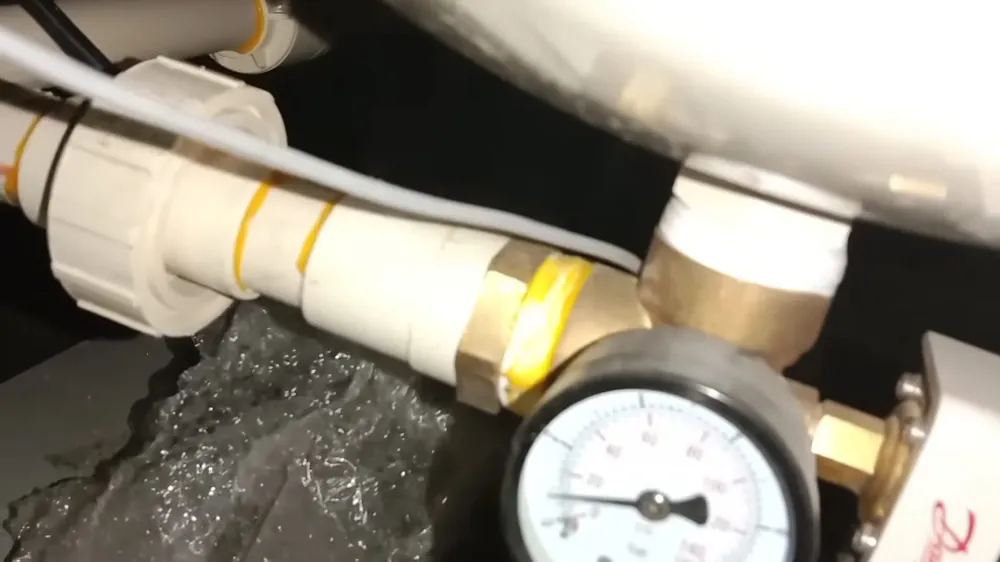
Pressure testing finishes the job. The plumber isolates a section of pipe, holds it at working pressure and watches the gauge. A steady needle clears that section, and a falling needle keeps it on the list. That is how a single bad joint gets separated from a house full of sound pipe.
Leak repair once the source is marked
The repair depends on what failed. A pinhole in a copper line is cut out and replaced with a new length. A failed joint is redone. A fitting that has corroded from the outside is usually replaced along with a few inches of pipe on each side, since the metal beside it is thin too. The plumber explains what was found, shows you the failed piece and says whether the rest of that run is worth watching.
When the same line has leaked more than once, patching it again rarely holds. In that case the better question is whether the line should be replaced, and the pipe replacement page lays out how a plumber decides between a section and the whole run.
Leak still running?
Stopping the water is the first job, and the dispatcher can talk you through it. A plumber follows once the line is quiet.
Call (833) 840-2034 Contact details ›Signs the water is going somewhere it should not
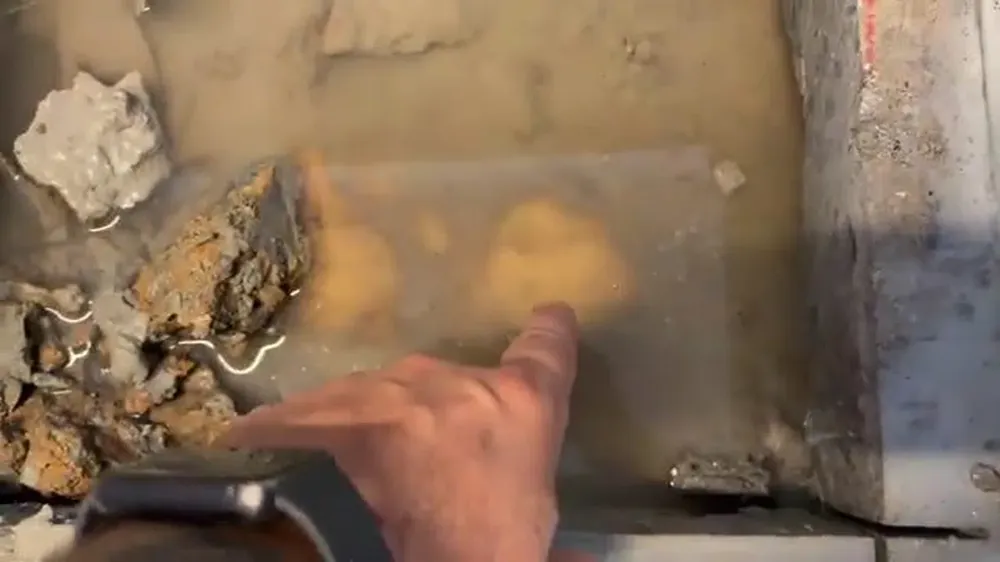
Marks that point to a hidden leak
Some leaks announce themselves with a puddle. Most do not. They show up as small changes you can easily explain away, and the water keeps doing damage while you do. This is the list plumbers hear most often from callers, and any one of these is worth a look.
- A water stain that spreads on a ceiling or wall, or paint that bubbles and peels
- A musty smell in a closet, cabinet or room with no obvious source
- Running water you can hear while every tap and appliance is shut
- Warm patches on a floor, or a floor that feels soft or cups at the edges
- A water bill that climbs while the number of people at home stays the same
- Low pressure at one fixture or across the whole house
Where the leak is likely to be
The symptom narrows the search before any tool comes out. This table is how plumbers think about it. It is a starting map, and the real answer comes from testing.
| What you notice | Likely location | What the plumber checks |
|---|---|---|
| Stain on a ceiling below a bathroom | Supply line, drain or shower pan above | Moisture readings, then a test of each fixture one at a time |
| Damp spot on an interior wall | A supply line running inside the wall | Thermal image of the wall, then listening along the line |
| Wet cabinet floor under a sink | Shutoff valve, supply connector or drain trap | Dry the area, then watch each joint under pressure |
| Meter moves with everything off | Pipe between the meter and the house, or inside | Isolation test, closing valves in sequence |
| Water pooling by a foundation wall | Hose bib line, service entry or outside faucet | Pressure test of the outdoor lines |
Attic lines, basements and crawl spaces get a look wherever the house has them, because lines that run overhead there tell you quickly whether a leak is above or below. Houses built on a concrete slab are different, since the pipes are not in view. A leak between the street and the house is a water service matter and belongs on the water line page. A suspected leak under a slab is covered on the slab leak page.
A wet spot you cannot explain
Describe where it is and when you first saw it. The dispatcher uses that to send the right plumber and equipment.
Call (833) 840-2034 Contact details ›Fixture leaks that look like pipe leaks
A toilet that runs, a faucet that weeps and a shower valve that drips can account for a surprising share of a high bill. The test is simple, and a homeowner can do it before calling. Put dye in the tank, close the handles all the way, and see whether water keeps moving after everything is off. If a fixture is the cause, the fix is usually a flapper, a cartridge or a washer, and the faucet and toilet repair page covers how those jobs go.
Outdoor faucets and hose connections deserve a look as well. A hose left attached can keep a line under pressure and split it in cold weather, and irrigation lines are a separate trade that a plumber will point out rather than repair.
Reading the meter, the bill and the pipe condition
Your meter is the simplest leak detector in the house. With everything off, a moving dial means a leak, and the rate tells the plumber roughly how big it is. Pair that with two or three months of bills and the pattern is clear. A steady rise suggests a slow leak, while a sudden jump suggests a break.
If the plumber has a house open for another reason, a short inspection of pipe condition is worth asking for. Green crust on a fitting, flaking on a steel line or a wet insulation sleeve are all easy to catch before they fail. The point is to see the weak spots while you can choose when to fix them.
Levittown homes and where leaks tend to hide
The Courier Times reports that the first Levitt houses have no basements, rest on slabs and carry radiant heat in copper tubing. In a house like that a leak may never reach a wall. Warm floor spots, a heating loop that loses pressure and a rising bill are the clues. Tell the dispatcher what kind of house you have, so the plumber arrives with gear that can read through concrete.
Source: Bucks County Courier Times via AOL.
Leak questions, answered
Why was I billed for a leak diagnostic visit when the plumber found nothing?
A diagnostic visit is the time and equipment a plumber spends spent looking, whether or not a leak turns up. Ask the dispatcher before the visit what the visit includes. If a plumber checks your meter, listens along the lines and finds the system tight, that is a real answer: it tells you the water loss is somewhere else, such as a running toilet or an irrigation zone.
How do I tell whether a toilet, faucet or shower is the leak?
Start with the toilet. Drop a few drops of food coloring in the tank, wait fifteen minutes without flushing, and look for color in the bowl. For a faucet or shower, check whether a drip continues after the handle is fully closed, and look under the sink for a wet cabinet floor or a damp shutoff valve. A fixture leak is usually a worn washer, cartridge or flapper, and the repair is small compared with chasing a hidden line.
How do I use my water meter and my bill to find a leak?
Turn off every tap and appliance that uses water, then read the meter and read it again after thirty minutes. If the dial or the small triangle still moves, water is leaving the pipes somewhere. A bill that climbs for a month or two with no change in habits points the same way. Write down both readings and the time, since the plumber can use them to decide whether the leak is inside the house or on the line from the street.
What should I do about a leaking or frozen water pipe?
Close the main shutoff right away if a pipe is leaking, and leave a faucet open low in the house so the line can drain. For a frozen section, keep the heat on, open the tap and warm the pipe slowly with moving air, never a flame. Frozen copper can split without showing it until it thaws, so watch the spot for dripping afterward and call the dispatch line if water appears.
Get the leak found and fixed
One call starts it. Tell the dispatcher what you have seen, and the plumber arrives knowing where to begin.
Call (833) 840-2034 Contact details ›- Licensed and insured plumbers
- Same-day service when available
- 24/7 emergency dispatch