
24/7 Emergency Line Open
Home › Services › Water Heater Installation & Replacement
Water Heater Replacement | Tank Units Installed and Swapped in Levittown, PA
A water heater that has leaked once is a heater that has run out of time. A plumber from this line pulls the old unit, set the new one, connect gas or power, and test the work before they leave, so the replacement does not become the next failure.
Call (833) 840-2034- Licensed and insured plumbers
- Same-day service when available
- 24/7 emergency dispatch
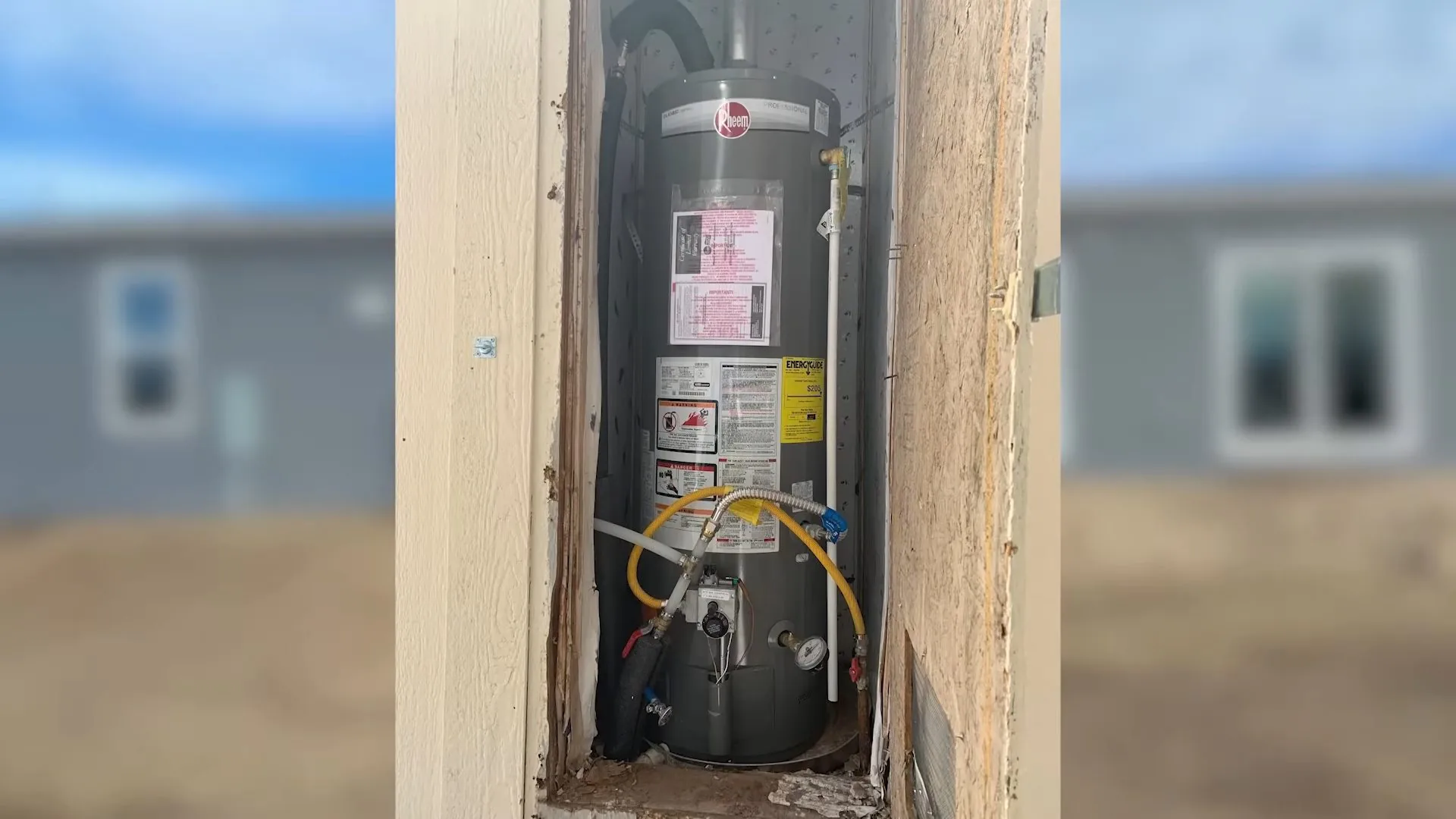
Replacement: signs the old tank is finished
Repairing a tank makes sense until it stops making sense. Several signs say the better move is a new unit, and it helps to know them before the heater fails on a cold morning.
- Water pooling under the tank, or rust-colored streaks down the side
- Rust-tinted hot water, or a metallic taste that clears when the hot tap runs
- A tank old enough that the label date is a decade or more behind you
- Repairs stacking up, with a second part replaced inside a year
- Rumbling or popping from sediment that a flush no longer clears
- Hot water that runs out far sooner than it used to
A planned replacement beats an emergency one. You pick the unit, you choose the day, and the plumber arrives with the right parts. A tank that fails on its own often takes a floor or a finished space with it, which is why the repair page is worth reading first if the heater is only misbehaving.
Installation: what happens on the day
A standard tank swap runs in a clear order. The steps below are the ones to expect, and each one is a place where a plumber should tell you what is being done and why.
- Shut off water and fuel, drain the old tank and disconnect it.
- Remove the old unit and check the pan, the floor and the nearby fittings.
- Set the new heater, connect water lines with new fittings and fit a relief valve with a discharge pipe.
- Connect gas and the vent, or wire and ground an electric unit.
- Fill the tank, purge air, light or power the unit and test for leaks and gas.
- Set the temperature, show you the shutoffs and take the old unit away.
Venting deserves particular attention on gas units. A flue that does not draw can push combustion gases into the house, so the plumber checks the draft with the unit running. If the gas line needs work to serve a new unit, the gas line page covers that side of the job.
Heater failing and you want it replaced?
Call and describe the tank, its age and where it sits. The dispatcher books a plumber who brings the right unit and parts.
Call (833) 840-2034 Contact details ›Gas, electric, hybrid and heat pump: choosing a type
The fuel decides most of the install. Replacing like with like is the simplest case, since the vent, the gas line or the circuit are already there. Changing fuel adds work, and the table shows why.
| Type | What it needs | Where it fits | What to weigh |
|---|---|---|---|
| Gas tank | Gas line, vent through the roof or wall, relief valve | Homes with gas service and a flue | Vent condition matters as much as the tank |
| Electric tank | Dedicated circuit and breaker, relief valve | Homes without gas, or where venting is hard | Lower install work, higher running load |
| Hybrid (heat pump) tank | Circuit, condensate drain and open air around the unit | Basements, garages or large utility rooms | Cools and dries the room it sits in |
| Point-of-use unit | Small electric unit near a single sink or shower | A distant bath or an addition | Serves one fixture, not the house |
A point-of-use or under-sink unit is a small supplement, not a replacement for the main heater, and it suits a far-off lavatory better than a whole house.
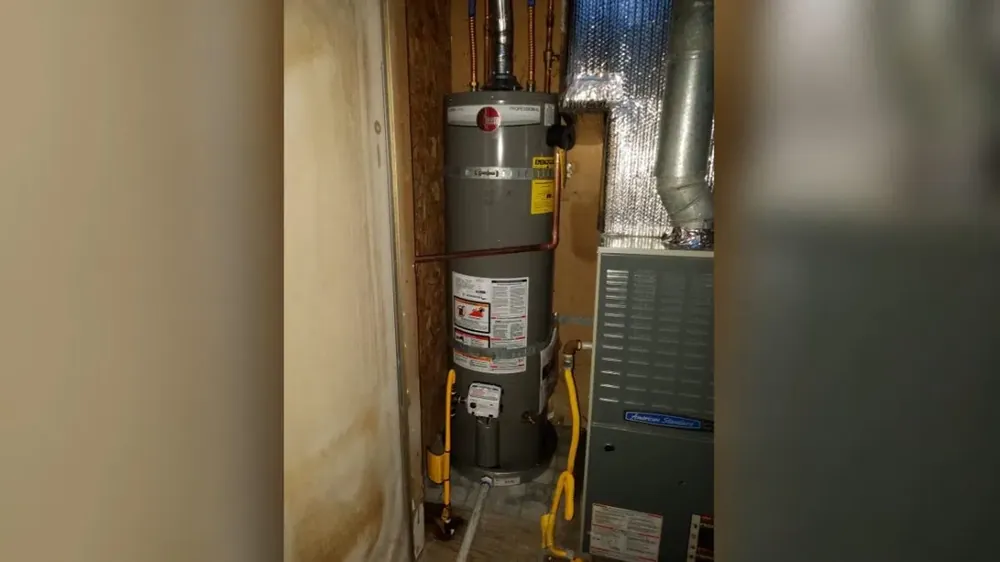
Sizing a unit to the household
Capacity is the first thing to settle. Tank units are sold by gallons, but the number that tells you what you will get is the first-hour rating, since it measures how much hot water the unit delivers in a busy hour. A plumber looks at how many people live in the house, when they use hot water and how many fixtures run at once, then picks a unit that meets the peak without oversizing. An oversized tank wastes energy keeping extra water hot all day.
Expansion tank, permit and code
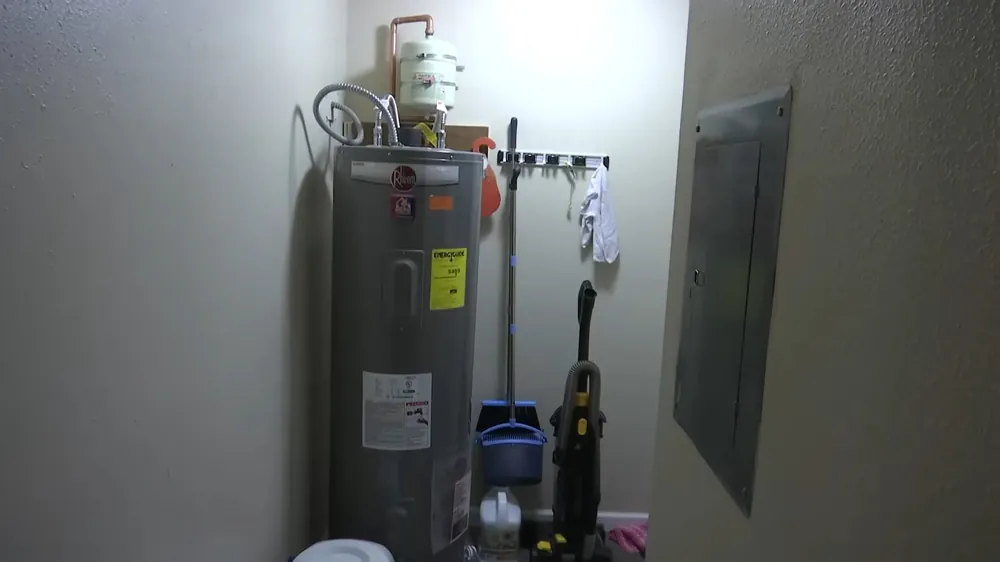
Three items outside the heater itself decide whether the install is done properly. A thermal expansion tank absorbs the pressure that builds when water heats in a closed system, and many systems need one, especially when a pressure-reducing valve or a check valve sits on the supply. The relief valve and its discharge pipe protect the tank from over pressure. And a permit, where one is required, puts the work on record.
The rule depends on the address. Water heater swaps in Philadelphia, Bustleton included, call for L&I paperwork: a permit and a certification form, with a licensed plumber doing the work. For Bristol Township or Bensalem addresses, a quick call to the local building department settles whether a permit applies before the day of the job. Ask the plumber who pulls the permit, and keep the paperwork.
Source: Philadelphia L&I plumbing permits.
Know you want a new tank?
Say what you have now and what you want. The dispatcher confirms the details a plumber needs to quote the swap.
Call (833) 840-2034 Contact details ›Who installs it, and what to ask them
A water heater install is plumbing work, gas work and sometimes electrical work in one visit, so the person doing it matters. Plumbers sent through this line are licensed and insured plumbers serving your area. Before the visit, it helps to have a short list of questions ready.
- Which unit are you installing, and what size is it?
- Will the old vent, gas line or circuit be reused, and are they in good condition?
- Does the job need a permit here, and who files it?
- Is an expansion tank included, and where will the relief valve drain?
- How will you test for gas and leaks, and what will you show me before leaving?
Same-day replacement is offered when a plumber is open and a suitable unit is on hand. A heater that has failed completely is the case the dispatcher treats first.
Tank or tankless?
The choice comes down to space, demand and installation scope. A tank is the simpler, lower-cost install and is easy to service. A tankless unit takes less room and keeps hot water coming for as long as you need it, but it often needs a larger gas line, new venting and regular descaling. The tankless page walks through that case. Hot water that runs out and a heater that is in the way are the two usual reasons owners switch.
Water heater installation questions, answered
Should I choose a gas, electric, hybrid or heat pump water heater?
Start with what the house already has. Swapping a gas tank for another gas tank keeps the vent and gas line you have. Moving between fuels means new piping or wiring, so it is a bigger job. Hybrid and heat pump units use far less electricity than a standard electric tank but need open air space around them and a drain for condensate. A plumber can look at the closet or utility space and tell you which types will fit.
Do I need a plumber to install a water heater, or can I do it myself?
In most places a water heater swap involves gas, venting, a relief valve and a permit, and mistakes in any of them are dangerous. A plumber handles the connections, tests for leaks and gas, and confirms the vent draws properly. Some towns also require the work to be done by a licensed plumber. Check with your local office before you buy a unit to install on your own.
A pipe burst under my house right after a water heater was replaced. What happened?
Replacement work disturbs old fittings. A line that was corroded but holding can fail when it is cut, flexed or put back under full pressure. Close the main shutoff right away, then call the plumber who did the work and say that the leak followed the replacement. Photograph the area before anything is moved. A second plumber can document the cause if you need an independent opinion.
What size water heater do I need?
Size follows how much hot water the household uses at the busiest hour, not the number of bedrooms alone. A family that showers back to back in the morning needs more first-hour capacity than a couple who spreads use through the day. Tank units are sold by gallons, and the first-hour rating on the label is the number that matters. A plumber can match the unit to how your household actually uses water.
Is a tank or a tankless heater better for my home?
Neither is better in every home. A tank costs less to install and is simple to service, while a tankless unit takes less space and does not run out in a long shower. Tankless units usually need a larger gas line, special venting and yearly descaling. The tankless water heater page covers those points in detail, and a plumber can tell you which fits your house.
Get the new water heater set
Booking the swap takes one call. Tell the dispatcher what you have and when you need hot water back.
Call (833) 840-2034 Contact details ›- Licensed and insured plumbers
- Same-day service when available
- 24/7 emergency dispatch