
24/7 Emergency Line Open
Home › Services › Water Damage Restoration
Emergency Water Damage Cleanup and Drying | Water Removal, Drying and Mold Testing in Levittown, PA
Water that stays in a building does damage by the hour. Plumbers sent from this line stop the source, remove the standing water and set up drying so floors, walls and cabinets have a good chance of drying out before mold takes hold.
Call (888) 681-3447- Licensed and insured plumbers
- Same-day service when available
- 24/7 emergency dispatch
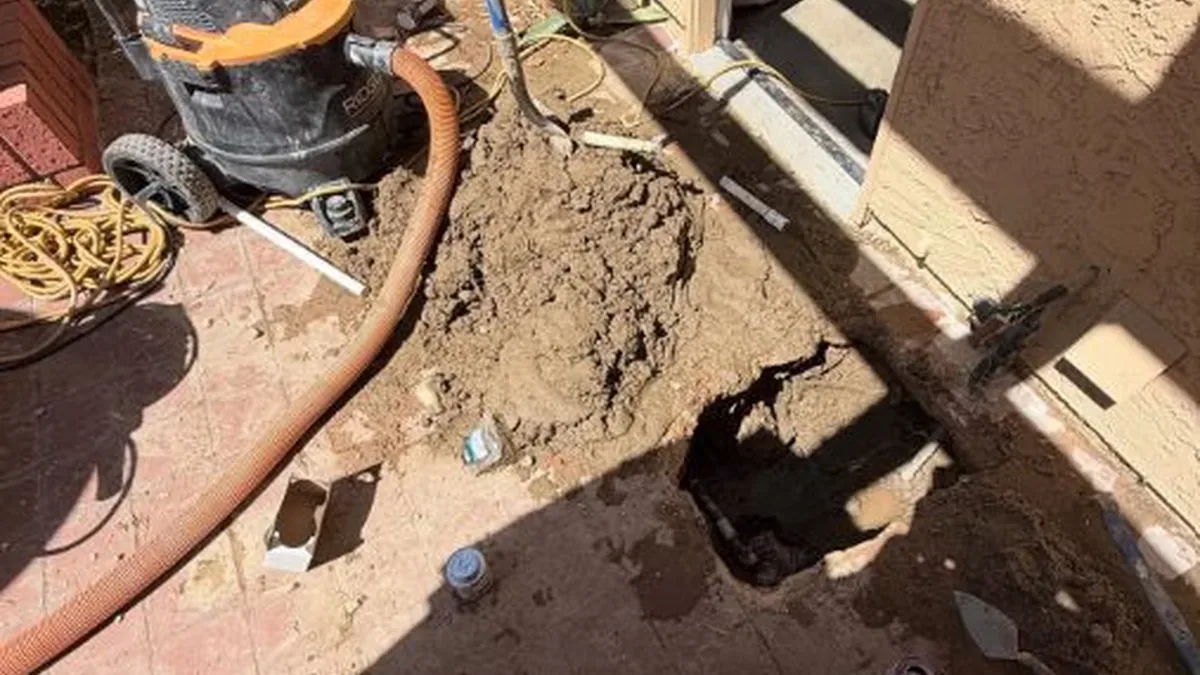
Water extraction and removal
Standing water comes out first. A plumber stops the source, then pumps and extracts the water with a pump, a wet vacuum or both, working from the lowest point of the room outward. The faster the water leaves, the less of it soaks into the subfloor, drywall and framing.
- Stop the source at the shutoff, the fixture or the failed line
- Remove standing water from floors, cabinets and low cavities
- Take out wet padding, insulation or drywall that cannot be saved
- Photograph the affected rooms before and after the removal
- Set drying equipment and plan the follow-up checks
Burst pipes under sinks, collapsed ceilings, overflowing tubs and failed washer hoses are the usual sources. If you can reach the main shutoff safely, close it before anything else.
Flooded basement, crawl space and whole-house flooding
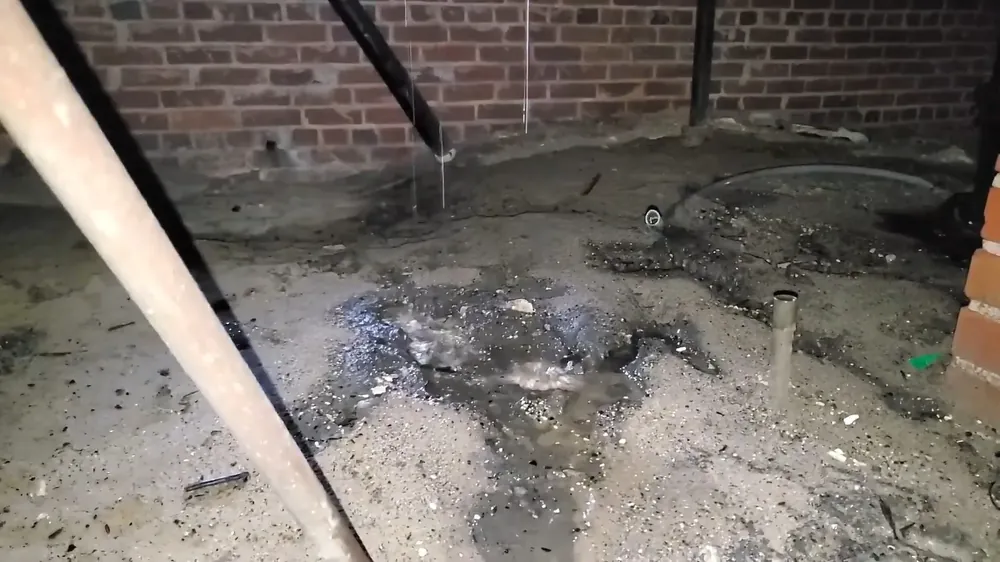
Flooding that covers a floor is a different job from a leak in one room. Water in a basement or crawl space is hard to reach, often cold and sometimes contaminated, and it can rise again if the source is not stopped. Lower Bucks County knows this: Neshaminy Creek flooding followed Ida in 2021 and again in the flash flooding of August 2024.
For a flooded lower level, stay out of standing water that may touch electrical outlets or a panel, and do not run a regular wet vacuum on a wet floor. A plumber handles the pumping and removal and reports back on what has to come out. Whole-house flooding from a failed supply line or a burst pipe on an upper floor follows the same plan, starting at the highest wet point and working down.
Source: Levittown Now on Neshaminy Creek flood risk; Levittown Now on August 2024 flash flooding.
Water in the house right now?
Call the water damage line. A plumber starts with the source, then the water.
Call (888) 681-3447 Contact details ›Sewage backup cleanup
Water that comes up from a drain is not clean water. Sewage carries bacteria and should not be touched, walked through or mopped by hand. Keep children and pets away, shut off the fixtures that feed the drain, and call for removal. The plumber clears the blockage that caused the backup, removes the contaminated water and materials, and treats the affected surfaces.
| Water source | Category | What it means for the cleanup |
|---|---|---|
| Supply line or tank leak | Clean water at first | Extract fast and dry before it turns |
| Appliance overflow or drain water | Gray water | Remove water and wet materials, then dry |
| Sewage or floodwater | Black water | Remove contaminated materials, not salvage them |
The sewer line replacement page covers the repair of the line behind the backup.
Burst pipes and plumbing leak damage
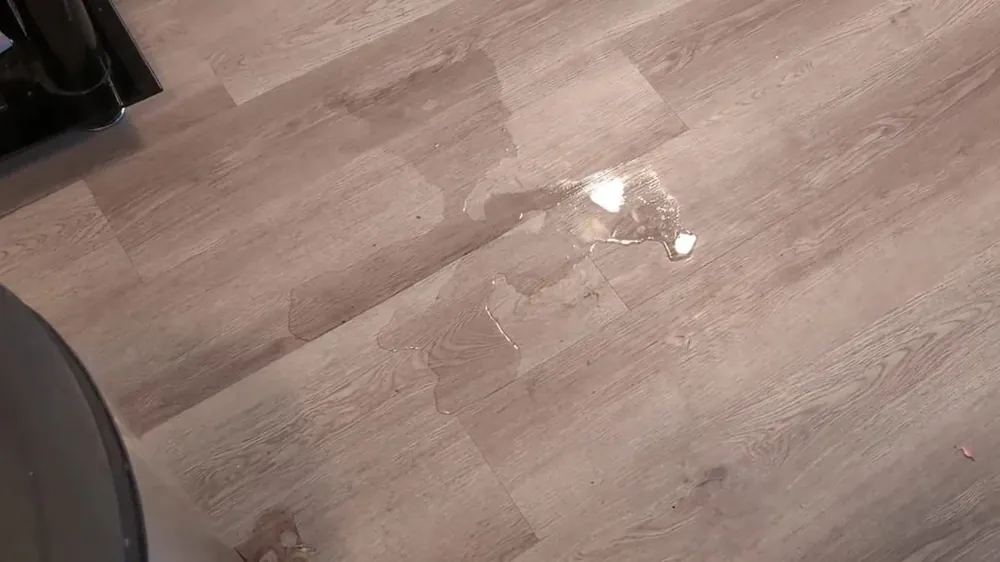
When a supply line bursts or a joint fails, the water follows the framing. A leak under a sink wets the cabinet, then the floor, then the room below. A burst line in a wall can run for hours before it shows on the ceiling. The plumber stops the flow, finds the failed section, repairs it and then deals with what the water reached. Freeze damage follows the same pattern, because Bucks County gets freeze warnings from the NWS, and a pipe that splits in an exterior wall releases its water as it thaws. The page on repairing the broken pipe explains the repair side of that work.
Damage assessment and major loss inspection
Before anything is torn out, the plumber maps where the water went. A moisture meter shows which walls and floors are wet beyond what the eye can see, and a thermal camera may show water behind a surface. The result is a list of what can dry in place, what has to come out and what needs a specialist.
A major loss, such as a vacant house with a long-running leak or a flood that reached several rooms, gets a fuller walk-through with notes and photos. Those records matter for an insurance claim, and they help you decide what to repair first.
Not sure how far the water went?
The dispatcher books a plumber who checks the walls and floors with a moisture meter.
Call (888) 681-3447 Contact details ›What happens on a job
A water damage visit follows a steady order, so you know what is being done and why.
- Stop the source and make the area safe, including the power to wet rooms.
- Extract standing water and remove wet materials that cannot be saved.
- Map the moisture and photograph what is wet.
- Set air movers and dehumidifiers and note their placement.
- Check moisture again after drying time, and move or remove equipment as the readings fall.
- Hand over notes and photos that you can use for an insurance claim.
The scope is removal and drying. Rebuilding walls, floors and finishes is a separate job for a contractor of your choice, and smoke and soot cleanup is a different trade.
Mold remediation and removal
Mold can start within a day or two of wet conditions, which is why drying matters. When mold has already formed on a wet material, the work is to remove the affected material, contain the area, and dry what remains. A plumber does this on the surfaces water damaged, such as the wall behind a leaking sink or the cabinet base beneath it.
Large or hidden growth, anything that follows a sewage backup, and any case where someone in the house has breathing trouble deserves a cautious approach. Keep the area closed off, keep the fans off, and ask about testing before disturbing the material.
Mold testing, inspection and assessment
Testing answers the question of whether there is mold and where. The usual steps are a visual inspection with a moisture meter, air samples taken inside and outside for comparison, and surface samples where growth is visible. The plumber explains what the results mean and which materials can be dried and which should be removed.
A smell that returns after a leak, a stain that spreads or a damp spot under basement stairs are common reasons to test. Testing also helps in a condo or a rental, where a record of conditions may be needed.
Drying equipment, flooring and hidden moisture
Air movers push dry air across wet surfaces, and dehumidifiers pull moisture out of the air so surfaces keep drying. Equipment runs for days, not hours, and readings decide when it comes out. Hardwood and carpet react differently: carpet and pad often come up, while hardwood can sometimes be dried in place if the water is caught early. Cupped boards after a leak usually point at moisture that is still in the subfloor.
Leaks that do not start in a pipe, such as a roof or ceiling leak or an air conditioner condensate line, are handled the same way. The plumber stops the plumbing source, and tells you plainly when the source is a roof or other trade.
Insurance claims, waterproofing and other questions
Take photos before anything is moved, keep the damaged items until the adjuster says otherwise, and keep every record of what the plumber removed and dried. Notes on moisture readings and equipment help the claim. The plumber does not decide coverage, and your policy sets the terms.
Basement waterproofing and foundation inspection are separate trades. The plumber can find and stop plumbing water and dry the space, but a waterproofing contractor or an engineer should look at wall seepage and foundation concerns. The same approach applies in condos, apartments and commercial spaces, where the commercial building plumbing page covers the building side.
Storm, river and rain flooding follow the same removal steps. Drying starts once the water is out and the source is stopped.
Most water damage starts with one failed part, and the repair that stops it lives on another page. A leaking tank belongs with a leaking water heater, an overflowing fixture drain with clearing the drain, a hidden pinhole with finding the hidden leak, a failed line from the street with service line repairs, and water rising through a floor with slab leak repair.
Situations and first steps
A pipe burst and the floor is wet
Close the supply at the main valve, cut power to wet rooms if you can reach the panel safely, and call the water damage line. Move belongings to dry ground and photograph the water.
Water came up through a floor drain
Treat it as sewage. Stay out of the water, keep pets and children away, stop using the fixtures that drain to that line and call for removal.
The carpet is wet but the water is gone
Wet carpet and pad still need drying. A moisture reading shows whether the subfloor is wet, and the plumber decides whether the pad has to come out.
There is a musty smell after a leak
A smell means moisture is still in the room. Ask for a moisture reading and a mold test before the materials are closed up again.
Start the water removal
One call to the water damage line starts the response.
Call (888) 681-3447 Contact details ›- Licensed and insured plumbers
- Same-day service when available
- 24/7 emergency dispatch