
24/7 Emergency Line Open
Home › Services › Sewer Line Repair & Replacement
Emergency Sewer Repair and Replacement | Backups, Roots and Cracks in Levittown, PA
A sewer line fails in the worst possible place: under a lawn, a driveway or a slab where nobody can see it. The first sign is usually a toilet that gurgles or a drain that floods. Plumbers sent from this line clear the backup, scope the pipe and tell you whether it needs a repair or a replacement.
Call (833) 840-2034- Licensed and insured plumbers
- Same-day service when available
- 24/7 emergency dispatch
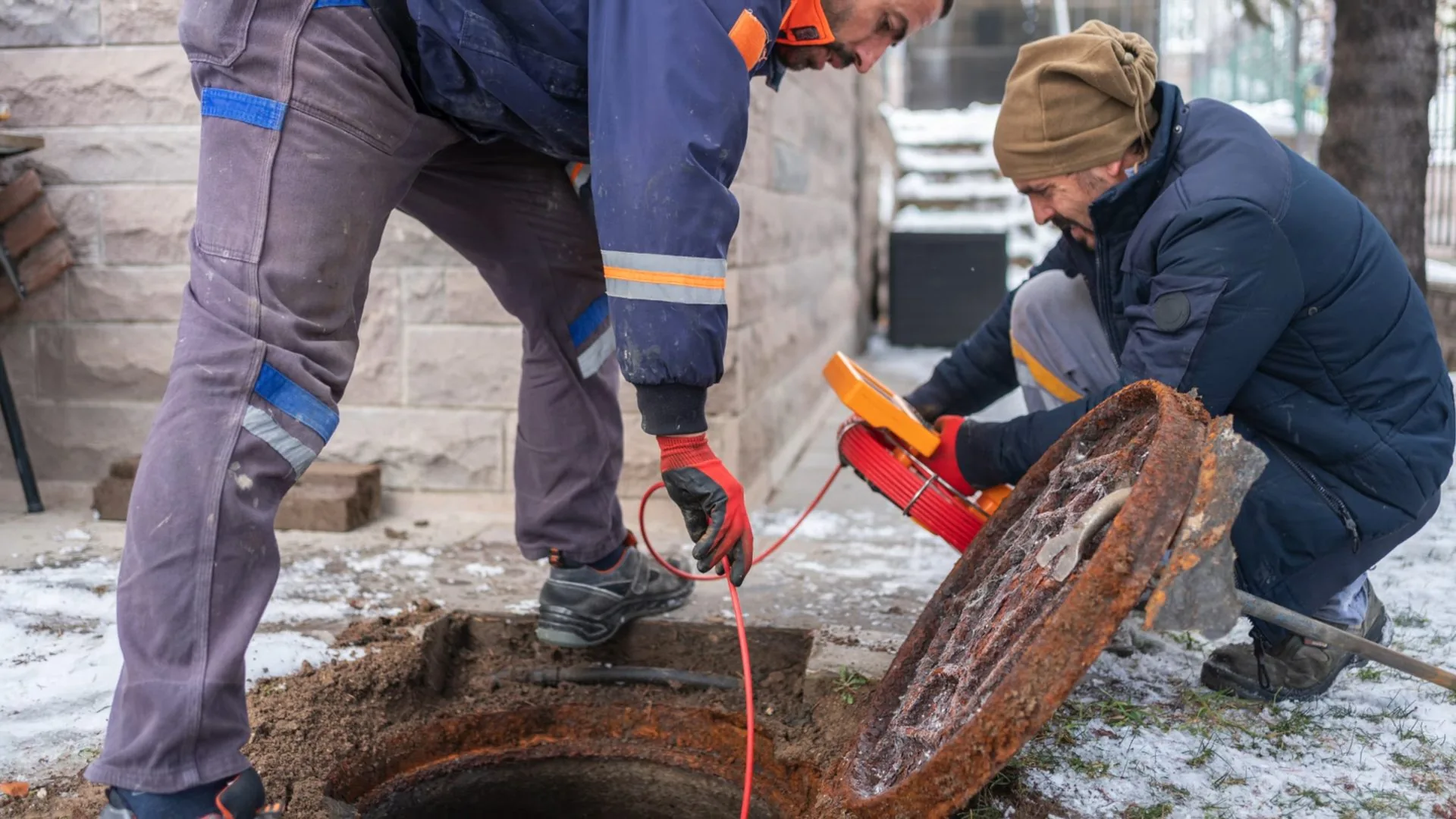
A sewer backup, and what to do in the first hour
When waste comes up in the lowest drain of the house, the clog sits in the main line itself, so every minute of running water adds to the mess. The first hour is about limiting the spread and getting the right person on the way.
- Stop using toilets, sinks, showers and the washing machine.
- Move belongings, rugs and electronics away from the wet floor.
- Keep children and pets away, and wash hands thoroughly after any contact.
- Open windows if the smell is strong, and switch off power to wet areas only if it is safe.
- Call the dispatch line and describe where the waste is surfacing.
A backup that happens during or just after a hard rain can have a different cause than a grease clog. Water-logged ground and overloaded public sewers can push flow back into a house, and the plumber will check the line before assuming it is blocked.
Camera inspection: reading the line before any digging
A sewer camera is a small waterproof lens on a flexible rod, pushed down the line through a cleanout. It records what the pipe looks like: roots entering a joint, cracks along the top, a sag where water pools, and offsets where two lengths no longer meet. The footage is the evidence, and it should be shown to you. A scope also finds a sewer leak that shows up only as a damp patch in the yard or a smell by the foundation.
A good scope answers four things. Where is the problem, measured in feet from the cleanout? What is the problem? How much of the line is affected? And what material is the pipe made of? Those answers decide whether the fix is a cleaning, a spot repair, a lining or a replacement.
A camera look is also what some home sales require. Bristol Township, for example, asks the owner to supply a video of the lateral before a sale or transfer, which is covered in the ownership section below.
Waste coming up in the lowest drain?
Stop using water in the house and call. The dispatcher sends the first plumber open and tells you what to protect.
Call (833) 840-2034 Contact details ›Sewer repair for a section that has failed
When damage is limited, a spot repair is the sensible choice. The plumber digs to the defect, cuts out the cracked or separated section and connects new pipe with proper couplings. The rest of the line, if the camera shows it sound, stays in service.
Roots are the most common reason a short section fails. They enter at a joint, widen the gap and catch paper, so a clog appears and returns. Cutting the roots clears the line for a while, but the opening stays, and the repair is what ends the cycle.
Before agreeing to a spot repair, ask the plumber what the camera showed on either side of the defect. A section that looks fine on the screen but sits beside weak pipe is only a matter of time.
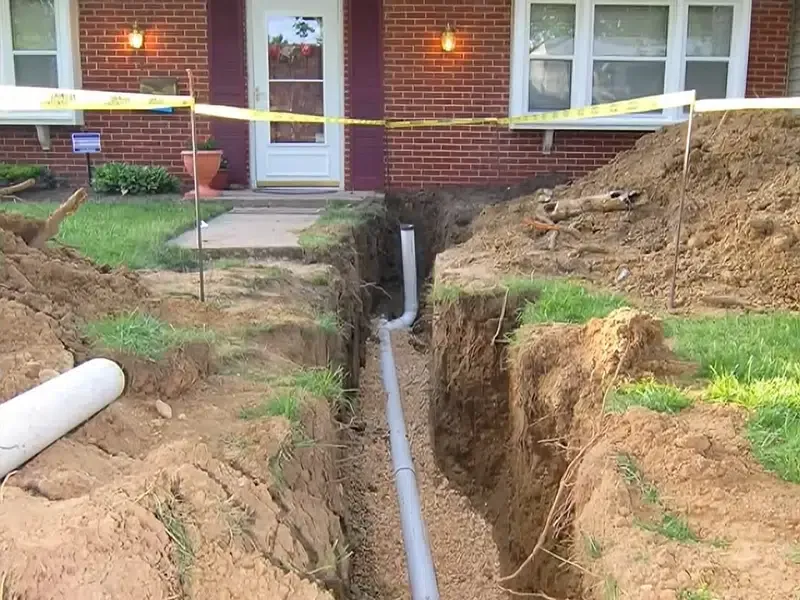
Sewer replacement for a line that is wearing out
Some lines are past repair. When a camera shows several cracks, a belly that holds water, or pipe that is crumbling, replacing the line is the more reliable choice. Replacement also makes sense when the pipe material is known for failure, which is why identifying it matters.
| Pipe material | How it tends to fail | Plumber usually advises |
|---|---|---|
| Cast iron | Scale and corrosion from inside, cracking at joints | Camera, then repair or replace by condition |
| Clay | Joint gaps that let roots in, cracks from ground movement | Spot repair for one joint, lining or replacement for many |
| Orangeburg (fiber) | Softens and deforms, collapsing over time | Replacement is the usual answer |
| PVC or ABS | Rarely fails by itself, may be damaged by digging or settling | Repair the damaged section |
Replacement can be done by an open trench along the old line or by trenchless methods that pull a new pipe through the old path. Which one fits depends on what lies above the line, how deep it runs and what the plumber finds.
Trenchless methods, relining and pipe bursting
Trenchless work repairs a line with little digging. In lining, a flexible tube coated with resin is pulled through the old pipe and cured in place, forming a new pipe inside the old one. In pipe bursting, a tool pulls a new pipe along the old path while breaking the old one outward.
These methods save lawns, driveways and landscaping, which is why many owners ask for them first. They are not right for every line. A pipe that has collapsed, has a severe belly or has been badly offset may need to be dug up, and the plumber should explain why.
Ask how much of the line will be lined, whether service connections are reopened afterward and what the camera pass shows at the end. A repair that cannot be inspected is not one to accept.
Know the line is failing?
Call and ask for a scope. The dispatcher books a plumber with a camera and explains what the footage will show.
Call (833) 840-2034 Contact details ›Sewer cleaning and rooter work
Before any repair, a line often needs cleaning so the camera can see. A rooter cable cuts through roots and clears paper and grease, and a jetter scours the walls. This is the same family of work described on the main drain clogs page, applied to the larger main line and often through the cleanout outside the house.
A cleanout is the capped pipe that gives the plumber access to the line without removing a toilet. Finding yours before a backup saves time. If the house has none, the plumber may suggest adding one when the line is repaired, so the next scope is simple.
A sewer smell inside or near the house is worth reporting. It can come from a dry trap, a cracked line or a blocked vent, and a plumber can find the source with a camera or a smoke test.
Who owns the sewer lateral where you live
The lateral is the pipe between your house and the public sewer, and who is responsible depends on the address. Levittown is a census designated place whose streets cross several municipalities, so confirm the rule that applies to yours before assuming. The table below summarizes what the sources say.
| Address | What applies |
|---|---|
| Bristol Township | Before a sale or transfer, the owner has to get the lateral inspected, and a plumber supplies the video. The application is due 30 days before settlement. |
| Falls Township | Has a similar inspection at transfer for properties on its sewer systems. Check that your address is covered. |
| Bensalem Township | Plumbing work falls under the township building permit process, and sewer changes may need Bucks County Water and Sewer Authority approval. Emergency sewer repairs have their own application. |
| Morrisville Borough | The borough has its own municipal authority for the sewer. |
| Philadelphia (Bustleton) | The owner is responsible for the house drain and lateral up to the public sewer, and a licensed plumber must make repairs. |
Source: Bristol Township ordinance page; Falls Township code; Bensalem emergency sewer repair form; Philadelphia Water Department.
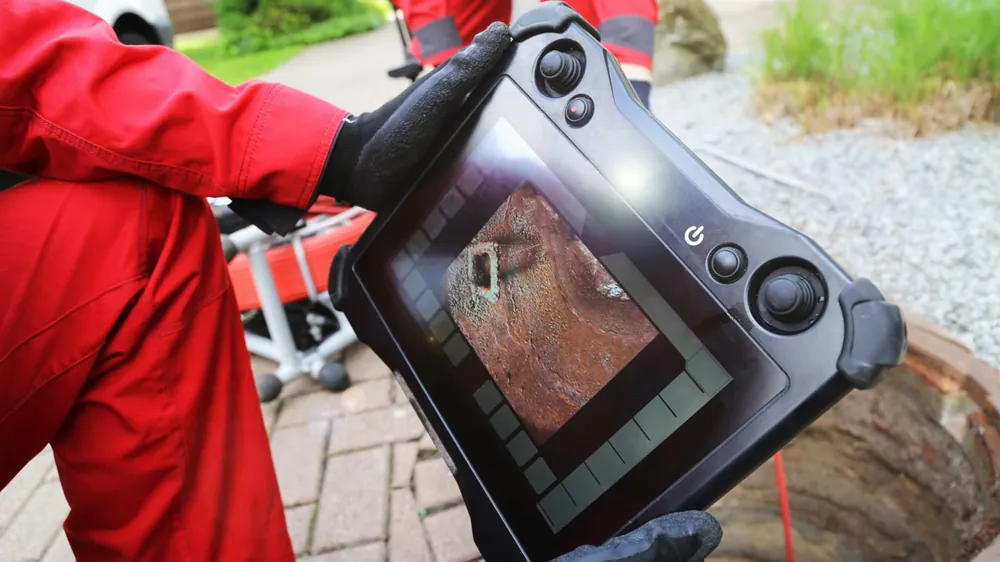
Selling a house? Book the video early
A plumber can film the lateral in a single visit, and the footage becomes part of your paperwork. If the camera shows a defect, you will want time to repair it before settlement rather than negotiate around it. Call as soon as a sale is planned, not the week before closing.
Sewer line questions, answered
What should I do if the main sewer line is clogged and backing up or flooding?
Stop using every drain and toilet, and keep people and pets out of the wet area. Sewage is a health hazard, so avoid touching it and open windows if the smell is strong. Locate the main cleanout if you can, but do not open it under pressure. Then call the dispatch line and say that waste is coming up in the lowest fixture or the floor drain, since that tells the dispatcher it is a main line backup.
A main sewer line clog is backing up and my property is managed by someone else. Who calls?
In a rental or a managed property, the owner or manager usually arranges the repair, but a tenant can still report the backup and stop using the plumbing. Tell the manager right away, in writing if possible, and describe which fixtures are affected. If the manager cannot be reached and sewage is spreading, call the dispatch line to have a plumber stop the immediate problem and document what was found.
Why does my house smell like sewer?
The most common cause is a dry trap in a floor drain, a rarely used sink or a basement shower, and a cup of water refills it. If the smell returns, or comes with slow drains, the cause may be a cracked line, a blocked vent or a main line holding waste. A plumber can smoke-test or camera the line to find where the odor escapes.
Does a cracked sewer line always need to be replaced?
No. A single crack or a joint that has separated can often be repaired in one section, or lined from inside if the pipe is otherwise sound. A line with many defects, a collapsed section or a pipe material known to fail, such as Orangeburg fiber pipe, is usually better replaced. The camera recording is what lets you and the plumber decide on facts.
How long does a sewer backup last once it starts?
It lasts until the blockage is cleared, so the answer depends on how fast a plumber gets to it. A plumber is dispatched the same day whenever one is open, and the dispatcher gives you a realistic window. Until the plumber arrives, keep water use to a minimum, because every flush and every load of laundry pushes more waste toward the backup.
What does a sewer line repair involve, from the first call to the finished work?
The plumber first clears the backup if there is one, then runs a camera down the line to find the break, root intrusion or sag. You see the footage and hear the options. The repair follows, whether a section is dug up, lined or replaced, and a final camera pass confirms the line flows clean. If the work needs a permit, the plumber tells you before it starts.
Get the sewer line scoped and fixed
One call starts the process, from clearing a backup to filming the pipe and explaining the repair.
Call (833) 840-2034 Contact details ›- Licensed and insured plumbers
- Same-day service when available
- 24/7 emergency dispatch